The Arithmetic PMPML Can't Make Close: 2,000 New Buses, 13 Depots
The arithmetic PMPML can't make close
Start with the numbers PMPML itself put on the table. The corporation runs roughly 1,900 to 2,000 buses across more than 450 routes in Pune and Pimpri-Chinchwad, carrying about 10.5 lakh passengers a day. It is now adding close to 2,000 more buses — effectively doubling the fleet. To park, fuel, wash and service that fleet overnight, PMPML works out of 13 depots. There is no version of this plan where 13 depots hold 4,000 buses.
That's the problem PMPML Chairman Mahesh Awhad put in writing to the Pune Municipal Corporation this year: hand over 24 of the 32 plots — nearly 90 acres — reserved for bus depots in the city's Development Plan, because most of that land sits with private owners and has never actually been acquired. PMC Commissioner Naval Kishore Ram's response was to order a status report within 30 days, with a joint PMC-PMPML meeting to follow. That's a reasonable bureaucratic next step. It is also, measured against buses already rolling off assembly lines, a slow one.
What "no depot space" looks like on the street
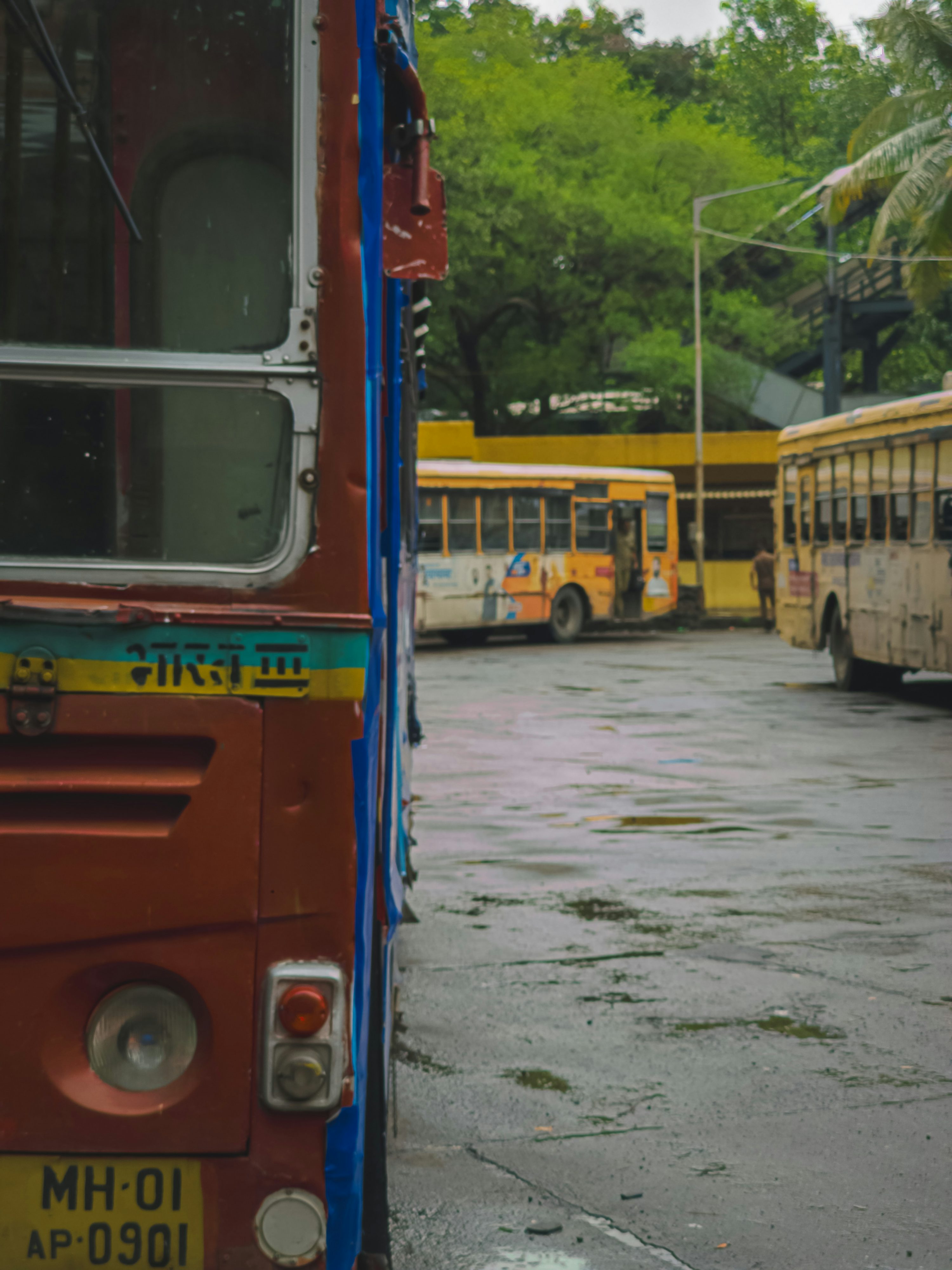
This isn't an abstract planning gap. With depots full, buses already in service are being parked along roadsides overnight instead of inside a maintenance yard. A roadside stretch of tar doesn't have a pit, a washing bay, or a mechanic doing a pre-dawn check — it's just parking. The result shows up in the breakdown numbers. PMPML logged nearly 39,773 breakdowns across 2024 and 2025 combined, and city reporting tracked a 30% jump in August 2026 alone, from 1,283 incidents in July to 1,661. Contractor-run buses — which make up a growing share of the fleet — break down more often than PMPML's own vehicles, and officials have had to send squads out to inspect contractors' own maintenance yards because depot-based checks aren't catching enough.
Meanwhile PMPML pulled in roughly Rs 742 crore in revenue last year, and even the corporation's own spokespeople have acknowledged that money hasn't converted into either depot infrastructure or enough buses fast enough. So the fleet is growing faster than the brick-and-mortar needed to keep it running, and every bus that sits roadside overnight instead of in a depot bay is a bus whose maintenance clock just got harder to manage.
Layer on the electric transition and the math gets tighter still. PMPML already runs close to 490 e-buses, with roughly 1,000 more coming under the PM-eDrive scheme — and e-buses need depot-based charging infrastructure that diesel buses never did. It's part of why PMPML paused its double-decker electric bus rollout last October, citing battery degradation and reliability issues in the existing e-fleet, and handed the question to a joint RTO-CIRT committee before buying more. More buses, more battery infrastructure, same 13 yards.
Where the gap actually gets filled
There's a separate number worth sitting with: a recent ITDP study found that the share of Puneites with a bus arriving every five minutes or less has fallen from 66% in 2019 to just 21% today, even as the city has grown. More buses on paper hasn't meant more frequent buses on the ground — depot bottlenecks are one reason why.
That gap between what a growing city needs and what its transit system can physically stage is exactly the space people have been filling on their own — carpooling to work, bikepooling a regular commute, sending a parcel along a route someone's already driving. It's not a replacement for a 2,000-bus fleet; it's what happens while that fleet waits for somewhere to park. On GoVia, that looks like neighbours splitting the cost of a daily commute or sharing a ride instead of waiting on a bus that was supposed to come every five minutes and now comes every twenty — people simply recovering travel costs together, not running a side business, while the city figures out where to put the next 2,000 buses.
Ready to try GoVia?
Share rides, join bike pools, and send parcels with trusted travelers near you.
Download the GoVia app