Swargate Has Three Transit Systems Colliding at One Gate — A New Terminal Wants to Untangle Them
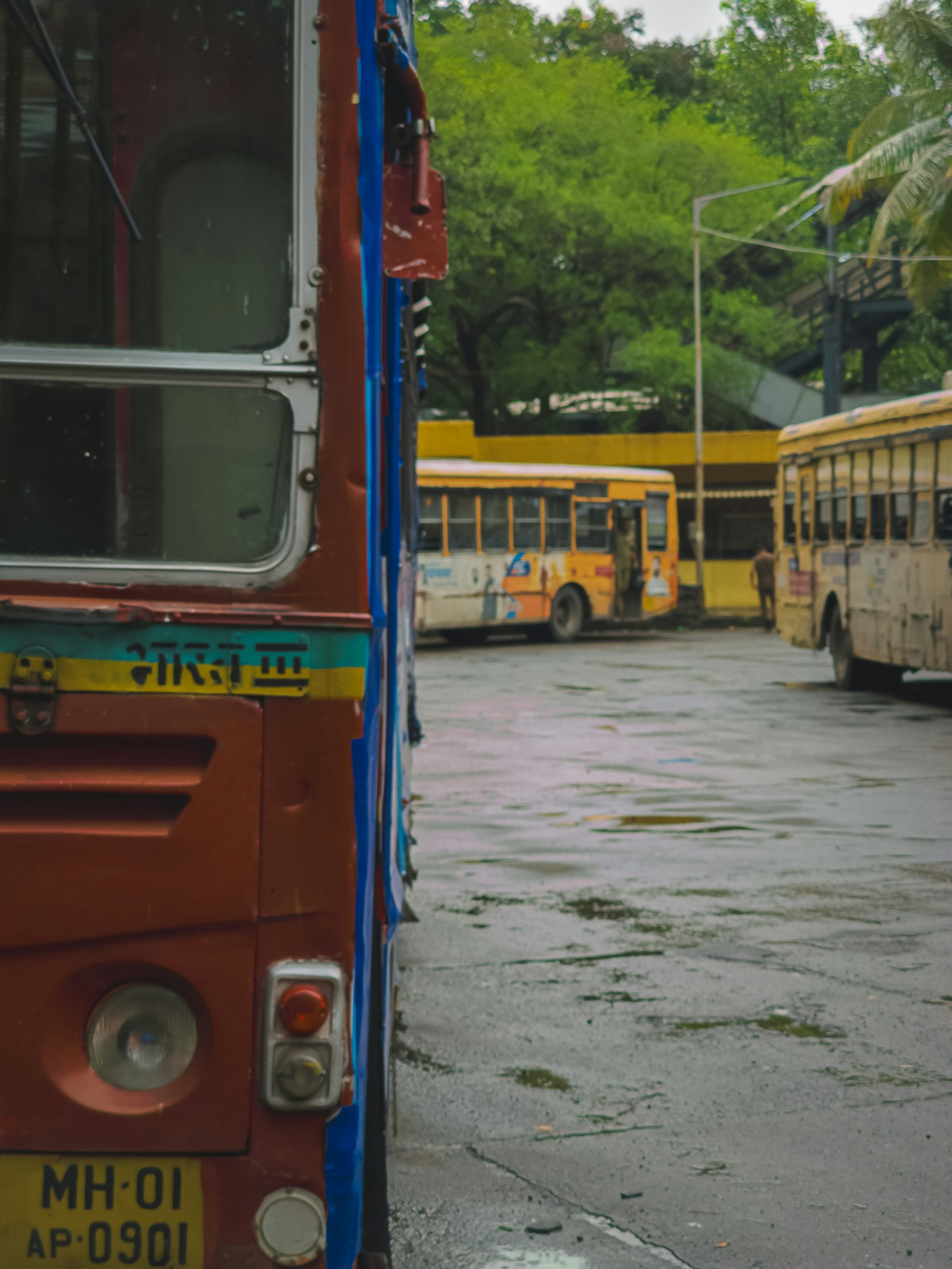
Stand at Jedhe Chowk on any weekday evening and you'll see it: commuters shoving past each other at the gates to beat an MSRTC bus pulling out, autorickshaws parked wherever they please because there's nowhere else to put them, food stalls and private bus touts squeezed into whatever gap is left, and somewhere underneath it all, broken chairs and tiles that nobody's gotten around to fixing. This is Swargate on a normal day — before you even factor in a bus breakdown or a festival rush.
Three systems, one gate
The thing about Swargate is that it isn't one chaotic place — it's at least three transit systems stacked on top of each other, each with its own gates, timings, and operators, all pouring into the same patch of road. MSRTC's section alone is estimated to handle around 1,800 buses arriving and departing daily, carrying passengers toward Satara, Kolhapur, Mumbai, and beyond. Layer on PMPML's city buses, the Rainbow BRTS corridors running Hadapsar–Swargate and Katraj–Swargate, and the Swargate Metro station that opened as part of Pune Metro's first phase — and you've got three separate networks that were never really designed to talk to each other, forced to share one entrance. During peak travel seasons, state transport has reported tens of thousands of extra daily passengers showing up with only a handful of extra buses added to absorb them, which is exactly the kind of mismatch that turns a bus stand into a crush.
The terminal meant to untangle it
The fix taking shape right now is a new integrated bus terminal coming up on roughly 2.5 acres of land directly behind Swargate Metro station, at a cost of about ₹22 crore. It's being built as the first phase of a larger multimodal transport hub for the junction, with nine bus platforms designed to operate simultaneously and handle an estimated 300–400 passengers at a time. The plan is for PMPML, MSRTC, and Metro services to finally share a coordinated footprint instead of three disconnected queues — with waiting halls, toilets, drinking water points, a bus pass counter, and even rest rooms for drivers and conductors built in from the start. Routes toward Kothrud, Hadapsar, Sinhagad Road, and Shivajinagar are expected to be among those anchored here once it's running.
It's worth being clear-eyed about scale: this is phase one of a much longer-term vision for the junction, and Swargate is simultaneously dealing with active Metro construction nearby — including early work on the Swargate–Katraj underground extension — so the area isn't going to feel "finished" overnight. A terminal getting built is not the same as a terminal open and absorbing 1,800-plus buses a day. For now, the realistic read is: real investment, real design intent, still a construction zone in the middle of a very busy junction.
A simpler way through Swargate in the meantime
Until that untangling actually plays out on the ground, the daily reality for anyone headed toward Kothrud, Hadapsar, Sinhagad Road, or Shivajinagar from around Swargate hasn't changed much — the queues, the shoving at the gates, the unpredictable wait. That's exactly the kind of commute GoVia is built around: neighbours and co-commuters sharing one car or bike instead of everyone separately fighting the same bus stand. On GoVia, a driver already making that Swargate-adjacent trip can offer seats to split the cost of the ride with others going the same way — nobody's running a business out of it, just recovering travel costs on a trip they were taking anyway. The same goes for a parcel that needs to get from Sinhagad Road to Hadapsar without anyone making a dedicated trip for it. While Swargate's three transit systems work out how to share one gate, carpooling quietly gives commuters a fourth way through — one that doesn't depend on waiting for construction to finish.
Ready to try GoVia?
Share rides, join bike pools, and send parcels with trusted travelers near you.
Download the GoVia app