Three Serious Incidents in Five Days. Then Sinhagad Capped How Many Tourists Can Be There at Once.
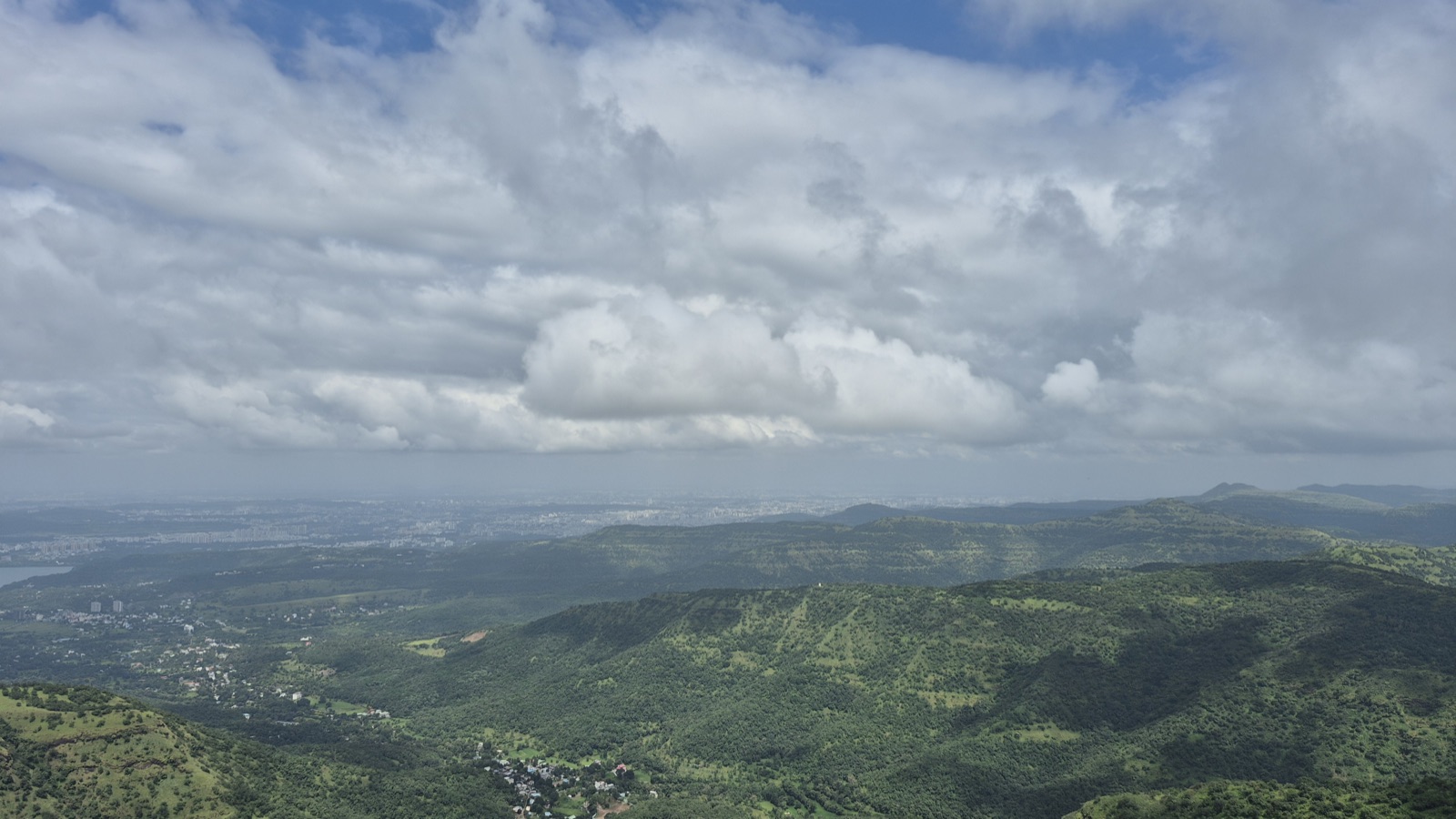
August 15. August 16. August 19. Write those three dates down, because Sinhagad Fort's Forest Department basically did.
On Independence Day, a crowd gathered at the fort to mark the holiday the way thousands of Puneites do every year - and according to Free Press Journal, it turned into a brawl, with two groups allegedly clashing and pelting stones at each other. Video of the fight circulated online within hours.
The very next day, a different kind of incident. Haveli police booked eight people, reportedly from a group called the Samast Hindu Bandhav Army, for allegedly assaulting a family - including an eight-year-old girl - because of what she was wearing. Newsgram reported the confrontation ran for roughly three hours that Sunday afternoon. It isn't clear from the coverage whether the two incidents were connected, but they happened one day apart, at the same fort, during the same holiday rush.
Four days after that, on August 19, the Forest Department announced a new rule: once visitor numbers at Sinhagad reach what it calls the fort's safe capacity, entry gets temporarily restricted until the crowd thins out.
It wasn't a one-weekend problem
The volume that made all of this possible isn't a secret, and it isn't new. A July 2026 weekend alone brought 18,327 tourists to Sinhagad across Saturday and Sunday - nearly 11,000 of them on Sunday - and backed up traffic nearly three kilometres down the approach road. Roadside parking, with nowhere official to put a car, squeezed the already-narrow ghat route down further, which made it just as hard for vehicles coming down from the fort to get past the ones still crawling up.
This is the second attempt at crowd management here. A timed vehicle-release system was already tried in 2025, letting traffic up the ghat road in batches rather than continuously. It helped with the driving part of the problem. It did nothing for the part where 18,000-plus people are standing shoulder to shoulder at the top with nowhere to spread out - which is the part that turned into stone-pelting and an assault over clothing within four days of each other.
Why a capacity cap is a different kind of fix
A vehicle-release plan manages traffic. A capacity cap manages people, and it only works if the fort can actually measure how many are inside at once - which means turning away cars that already made the one-hour-plus drive up, once the count is hit. That's a harder sell to a family that planned a Sunday around it than a traffic light ever was.
It also means the math behind every trip up Sinhagad just changed. If there's now a real chance of being turned back at the gate, a car that's already full of people who agreed on a plan B - head to Khadakwasla instead, try again in an hour, split up and wait somewhere with shade - loses a lot less than a car with one family and no contingency. Four strangers coordinating a shared ride up the ghat road were never going to prevent a stone-pelting incident. But cutting the number of half-empty cars idling in that three-kilometre backup is still the most immediate thing anyone visiting Sinhagad on a weekend can personally control - while the Forest Department works out how it's actually going to count 18,000 people at a hill fort with one road in and one road out.
Ready to try GoVia?
Share rides, join bike pools, and send parcels with trusted travelers near you.
Download the GoVia app