Pune's HCMTR Has Been "Coming Soon" Since 1987. Is This Time Different?
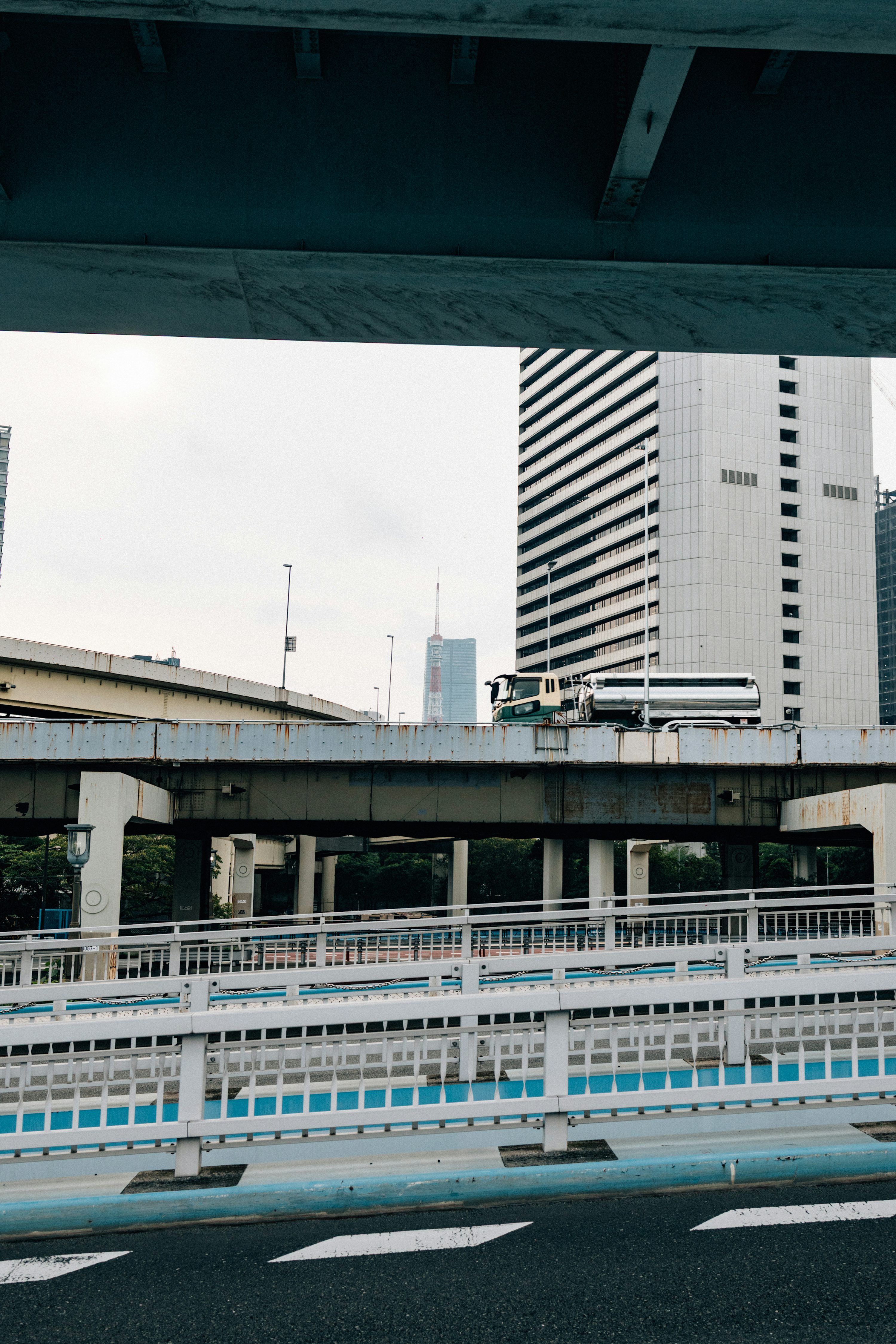
If you've lived in Pune long enough, you've probably heard about the HCMTR before — maybe under a different name, maybe with a different number attached to it. That's because the High Capacity Mass Transit Route isn't a new idea. It first showed up as a recommendation in a PMC transportation study conducted between 1978 and 1982, got written into the city's Development Plan in 1987, and survived — mostly on paper — all the way into the 2017-18 DP. One recent news report summed it up bluntly: the project is getting "fresh momentum after 40 years."
So when Chief Minister Devendra Fadnavis pushed PMC in recent months to fast-track a coordinated rollout of HCMTR alongside Pune's Inner Ring Road and a proposed underground tunnel network, it's worth asking the obvious question: is this the push that finally breaks ground, or just the latest chapter in a four-decade-long planning document?
What HCMTR actually is (and isn't)
First, a clarification, because it's easy to confuse with Pune's other big road project. HCMTR is not the outer Ring Road that's been in the news separately. It's an inner, mass-transit-priority corridor — originally conceived around 36 km, now revised to 43.6 km after a 2024 alignment change approved by the state government. The current plan is for a six-lane, largely elevated route cutting through central Pune — Bopodi, Aundh, Kothrud, Parvati, Hadapsar, Yerawada, Dhanori and other neighbourhoods along a 14-locality alignment — meant to move people and vehicles faster through the city's core rather than route traffic around it. Officials are citing a potential 25-30% cut in congestion along the corridor, with a price tag of roughly ₹12,000 crore (₹9,000 crore construction, ₹3,000 crore land acquisition) and a 2028 completion target.
The gap between announcement and ground-breaking
Here's where the skepticism earns its place. In July 2026, PMC commissioner Naval Kishore Ram said construction would begin "immediately after monsoon." As of this week, that hasn't happened — PMC is now targeting tenders for just the first two phases (Sinhagad Road and Viman Nagar, roughly ₹2,000 crore each) for the first week of November 2026, with the detailed project report not due until December. Land compensation alone is pegged at ₹2,634 crore, and while PMC says 60% of the required land is already government-owned, acquiring the rest has been exactly the kind of process that's stalled this project before.
It's not just bureaucratic friction, either. Residents have raised real objections for years — citizen protests go back to at least 2019 — over the roughly 7,000 trees that environmental assessments say would need to be felled, and concerns that construction could disrupt groundwater recharge zones in a city that's no stranger to water stress. As recently as a few months ago, citizens' groups were still asking PMC for a public consultation before the project moves further.
None of that means HCMTR won't happen. It means "tenders expected in November" is a milestone, not a done deal, for a project with a 40-year history of milestones that didn't turn into tenders at all.
What this means for your commute, meanwhile
Whatever happens with HCMTR in the years ahead, Pune's traffic isn't waiting for it. Kothrud-to-Hadapsar, Aundh-to-Hadapsar, Viman Nagar-to-Shivajinagar — these are exactly the kinds of daily routes that cut through the proposed corridor, and they're congested today, not in 2028.
That's the gap GoVia is built for. If you're driving the Kothrud-Swargate stretch or the Yerawada-Hadapsar run every day anyway, carpooling with a neighbour headed the same way means you both split the cost of that commute instead of paying for it solo — no profit for either side, just two people sharing fuel and tolls on a trip one of you was taking regardless. Same logic applies if you're sending a package across town along one of these routes — someone already driving that way can carry it for a bit of shared cost rather than a dedicated trip. Pune's big transit fixes may take years to arrive. Sharing the ride you're already taking doesn't have to wait for any of them.
Ready to try GoVia?
Share rides, join bike pools, and send parcels with trusted travelers near you.
Download the GoVia app