Pune Station Is Getting Six New Platforms. For Three Years, Getting There Gets Harder First.
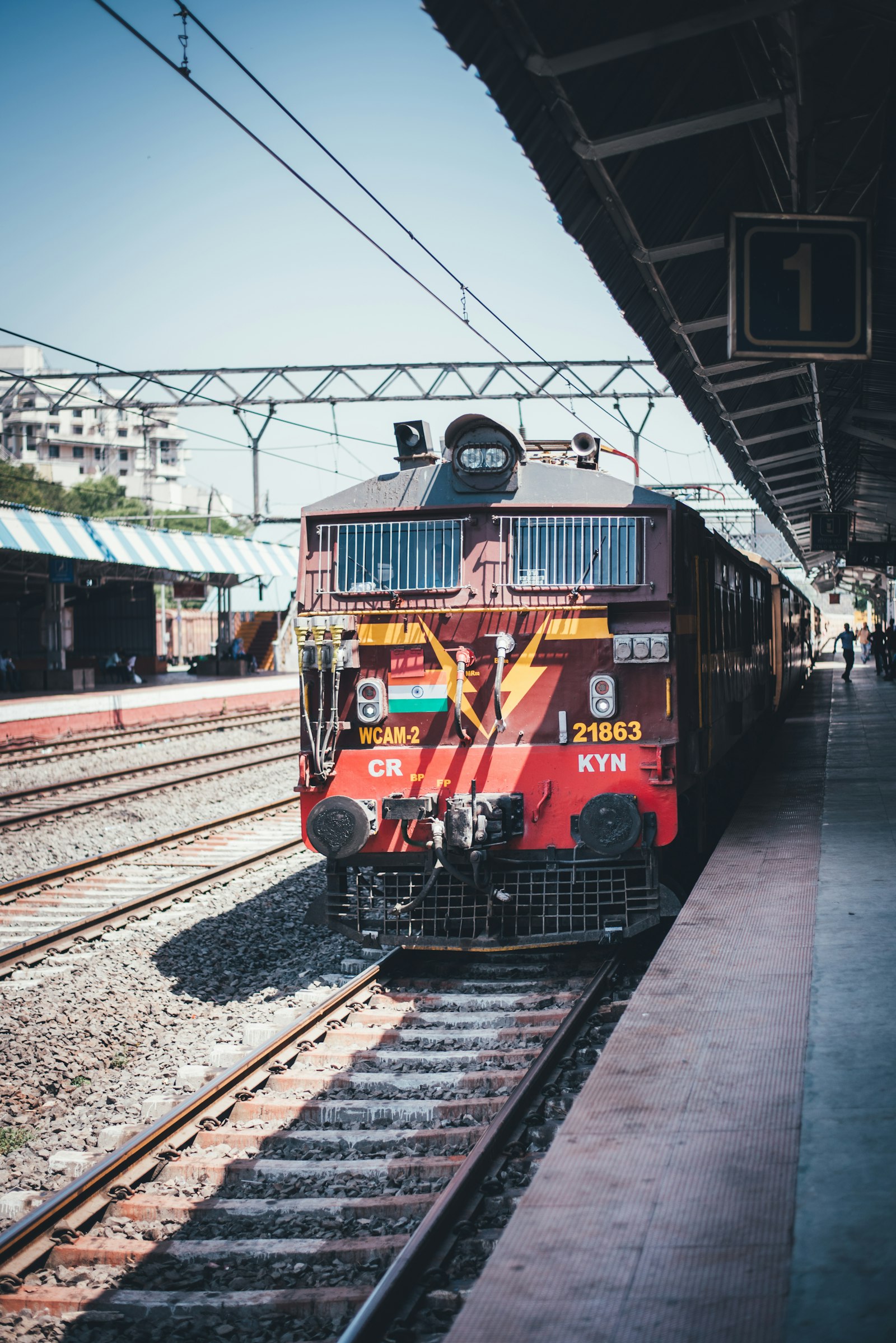
Anyone who's done a 6 AM drop-off at Pune Railway Station already knows the drill: the approach road backed up before the station building is even in sight, autos and cabs double-parked along the kerb, and a five-minute goodbye that takes twenty because there's nowhere to actually stop. That's the station on a normal day. For the next three years, it's also an active construction site.
The ₹600-crore yard remodelling project finally broke ground in June 2026, after years of being talked about. It's being built on the old goods yard - six new platforms, with foundation work already underway on Platforms 11 and 12 - and the existing platforms are being extended so every one of them can take a full 24-coach train, not just the longer platforms that currently can.
What it's actually meant to fix
Pune Junction today is genuinely out of runway. The redevelopment is meant to let the station handle up to 110 originating trains and close to 3 lakh passengers a day - roughly double what it manages now. A third entry point is also being built on the Old Maldhakka side specifically to stop everyone funnelling through the same two gates, which is most of why the approach roads feel like a crush even before you've parked.
None of that is a small, cosmetic fix. It's the kind of capacity upgrade a station this size should have had a decade ago, and on paper it solves a real problem.
The part that doesn't get mentioned in the ₹600-crore headline
What the announcements don't dwell on: this is a three-year build, happening on a working station that already has zero spare space. Every one of those three years means some combination of blocked lanes, shifted drop-off points, and construction traffic competing with everyone who still has a train to catch, layered on top of a station that was already at capacity before a single new platform existed.
That's not a reason to be against the project - it's the opposite of that kind of station, stuck at its 1990s-era capacity forever, that actually causes the daily bottleneck. It's just the honest version of what "redevelopment" looks like while it's happening, which is usually worse before it's better.
Where a shared ride actually helps here
This is exactly the kind of trip carpooling was built for, and not in an abstract way. A station run is rarely just you - it's picking someone up, or three people from the same flat going their separate ways after getting off the same train, or a parent doing the airport-style loop of drop-then-circle-back because there's nowhere to wait. Every one of those is a trip that could be shared instead of repeated solo, and for the next three years specifically, fewer vehicles circling the same congested approach roads matters more than usual, not less.
It also works the other way. If you're travelling by train and need something small sent to or picked up from someone near the station, that's a parcel-sharing trip, not a dedicated one - no reason to send a vehicle across town for an envelope when someone's already making that exact run.
The new platforms will be worth it. Just don't expect the drive there to get easier before it gets a lot more inconvenient first.
Ready to try GoVia?
Share rides, join bike pools, and send parcels with trusted travelers near you.
Download the GoVia app