Everyone Watched One Metro Line Open. A Second, Four Times Bigger, Broke Ground the Same Day.
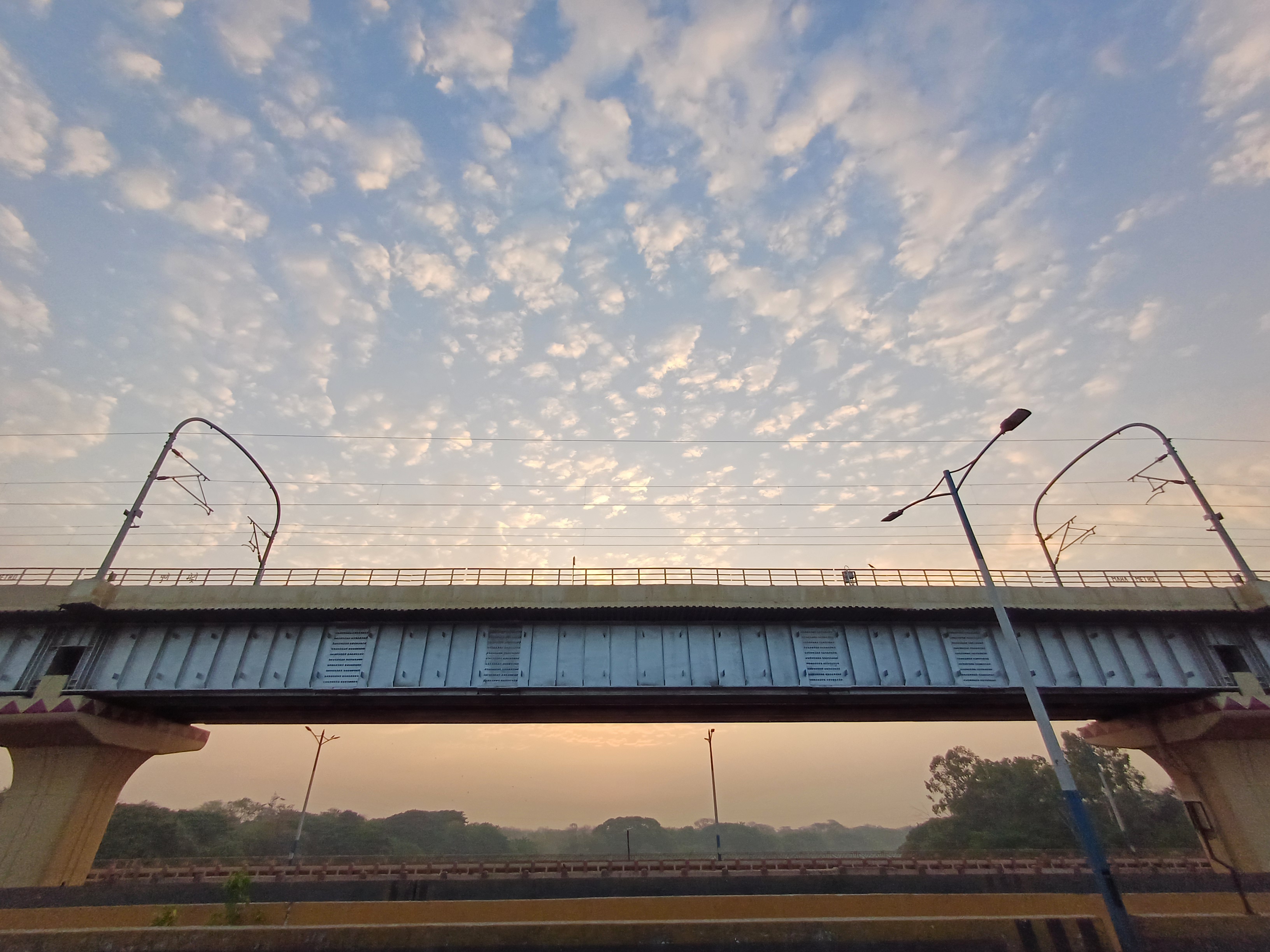
On November 3, 2026, Pune Metro Line 3 - the Hinjewadi-Shivajinagar corridor - opened to passengers, and understandably, that's the story that led every local news bulletin that day. What got far less attention, happening at the very same event, was Prime Minister Modi laying the foundation stone - by video conferencing - for Pune Metro's Phase 2.
It's worth pausing on how much this project has grown. Readers of this blog may recall an earlier piece on a state-approved extension covering two corridors - Vanaz to Chandani Chowk and Ramwadi to Wagholi - running about 14.66 km with 16 stations. That was the project at an earlier stage. What got its foundation stone laid this month is considerably larger: four corridors (Lines 2A, 2B, 4, and 4A) spanning roughly 44.39 km, at an estimated cost of Rs 13,500 crore, with Maha Metro setting a five-year target for completion. Combined with Line 3's cost, some reports put the day's total project value at around Rs 21,800 crore. Chief Minister Fadnavis, speaking at the event, noted that Pune now has roughly 120 km of metro either completed or under construction, and pointed to the new corridors eventually extending connectivity toward the proposed Purandar airport. One of the new stations, District Court, is planned as an interchange connecting Phase 2 to both the existing Vanaz-Ramwadi line and the newly opened Hinjewadi-Shivajinagar line.
A foundation stone is, by definition, the start of construction, not the end of it - and a five-year target on an Indian infrastructure project is a target, not a promise, as several other entries on this blog about Pune's metro network have had occasion to point out. What a foundation stone does guarantee, for the years in between, is construction: diggers, diversions, and lane closures along already-busy stretches near Vanaz, Chandani Chowk, Ramwadi, and Wagholi, on top of whatever disruption is still ongoing from Line 3's own recent build-out.
That's a multi-year stretch where carpooling and ride-sharing do real, unglamorous work - not as a flashy alternative to a shiny new metro line, but as a way to keep one car's worth of people from becoming three separate cars squeezed through a lane that construction has already narrowed. Four corridors' worth of construction zones is a lot of ground to cover for the next five years; sharing the ride through it is one way to make that stretch less miserable while it lasts.
Ready to try GoVia?
Share rides, join bike pools, and send parcels with trusted travelers near you.
Download the GoVia app