PunePollutionLow Emission ZoneCarpoolingCivic Policy
Pune Promised India's First Low Emission Zone by June 5. Nobody Can Confirm It Opened.
GoVia Team · 21 Nov 2026 · 4 min read
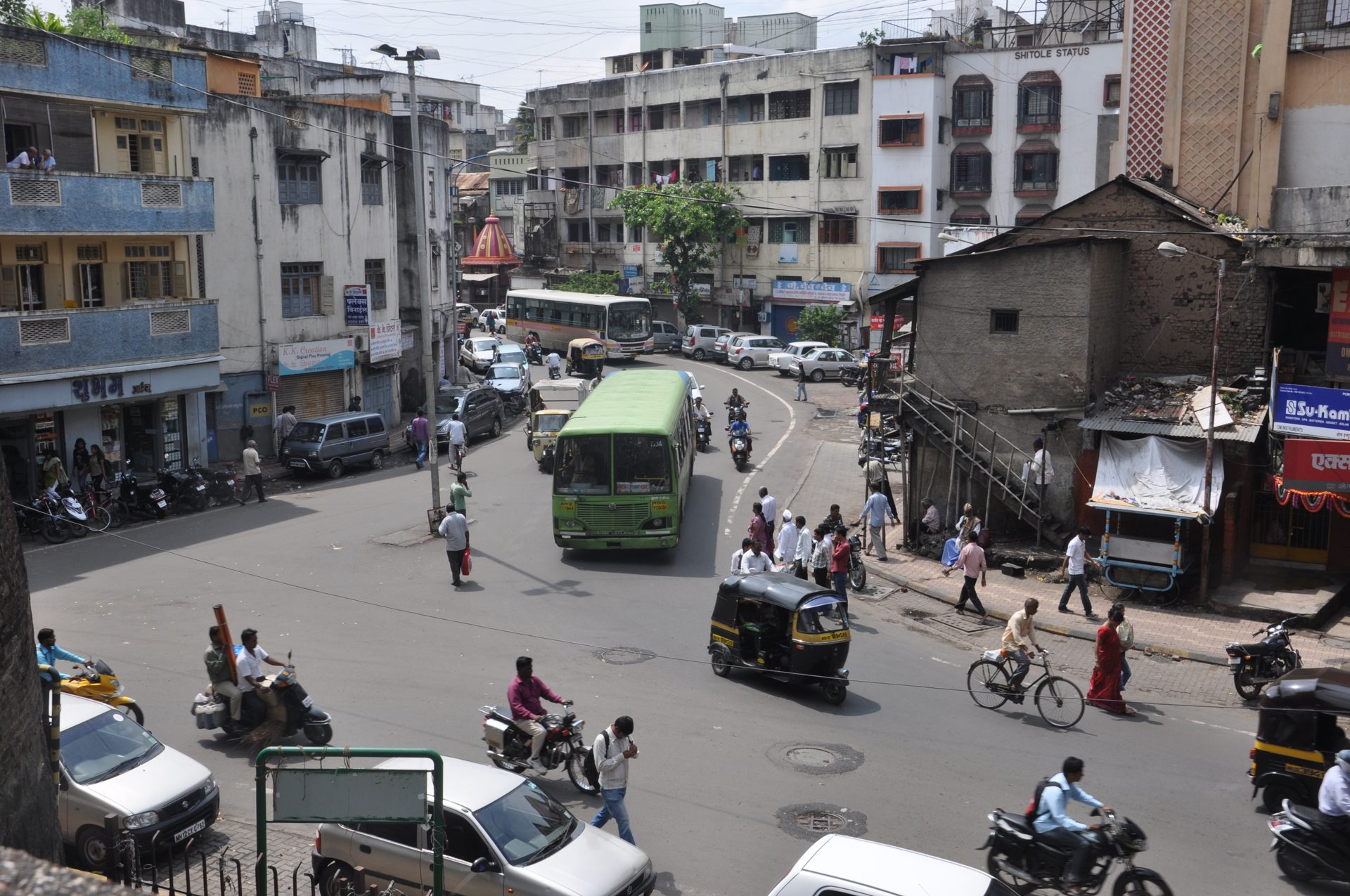
<p>Here is what's true as of today, November 21: Pune Municipal Corporation announced, with some fanfare, that it would switch on India's first Low Emission Zone in Shivajinagar on June 5, 2026. That date is now five and a half months in the past. Nobody - not PMC, not the RTO, not a single follow-up news report in the usual Pune civic-affairs outlets - has said whether it actually happened.</p><p>Not that it didn't happen. Just that no one can point to the day the cameras went live, or to a single fine collected, or to a press note marking the occasion the way the original announcement was marked. For a scheme PMC was calling a national first, that's a strange kind of silence.</p><p>To understand why that silence is interesting, you have to rewind to February 2026, when the Pune RTO floated something much blunter: ban any vehicle registered more than 15 years ago from the city altogether. RTO's own numbers put the scale of that at 6,83,411 private vehicles and 46,284 transport vehicles - essentially every third old scooter and sedan in the district, gone from the roads by administrative order.</p><p>That didn't survive contact with reality. By April 1, the RTO had walked it back: no blanket ban, officials said - instead, entry restrictions in the city's most polluted pockets, with a final call still pending a joint meeting between PMC, the transport department and the district administration. No date was given for that meeting. No one has since reported that it happened.</p><p>Then, in mid-May, the idea resurfaced in a more specific, more photogenic form. PMC was <strong>set to introduce India's first Low Emission Zone</strong>, covering roughly 7-10% of the city around Shivajinagar and the old Peth neighbourhoods, with a June 5 launch. The civic administration was, at the time, still finalising locations for the ANPR cameras that would actually catch violators - BS-III and older vehicles, including anything registered before 2011, with autos, buses and emergency vehicles exempt in phase one. BS-IV vehicles and a wider zone were pencilled in for later, unspecified phases.</p><p>June 5 came and went. So did June, July, August, September and October. Search for any update since mid-May and you find the same handful of pre-launch stories, recycled, with no sequel. No enforcement numbers. No revenue figures. No Day-100 retrospective of the kind PMC has been happy to publish for other projects when the news is good. If the zone is running, it is running without anyone telling the public how, or whether it's working.</p><p>Meanwhile, the city's actual old-vehicle problem hasn't gone anywhere. A widely cited figure from earlier this year put the number of overage vehicles still plying Pune's roads at nearly 7 lakh - not parked, not scrapped, just driving, with no seizure or de-registration drive anywhere near that scale. Whatever the Shivajinagar zone is or isn't doing, it was only ever going to touch a sliver of that number, in a sliver of the city, assuming it's switched on at all.</p><p>It's worth saying that Pune isn't alone in finding this harder than it sounds on paper. Delhi has spent a decade cycling the odd-even scheme on and off, and its current Chief Minister has publicly ruled out bringing it back, citing the inconvenience it caused without a clear, lasting payoff. Singling out specific vehicles by age or plate number turns out to be a political problem as much as a technical one, wherever it's tried.</p><p>None of this is new pollution, either - it's the same pollution Pune has been measuring for years. A 2020 study of the Pune Metropolitan Region attributed roughly 46% of the city's PM2.5 load to vehicle emissions, a number that's still the one everyone quotes six years on, which says as much about how little has shifted as any of it.</p><p>A carpooled ride doesn't need an ANPR camera to be sited, a joint meeting to conclude, or anyone's fifteen-year-old scooter to be taken off the road by force. It just needs one more seat filled instead of one more car on the same stretch of Bajirao Road, old-city zone or not, cameras on or off. That's a smaller claim than India's first Low Emission Zone - but unlike that one, it doesn't need a government order to start working today.</p><p><em>Photo: Bajirao Road, Shaniwar Peth, Pune - part of the old-city area at the centre of the proposed Low Emission Zone. Credit: Jatin.mittal06 / Wikimedia Commons, CC BY-SA 3.0.</em></p>
Ready to try GoVia?
Share rides, join bike pools, and send parcels with trusted travelers near you.
Download the GoVia app