punepmcpotholesroad-mitracarpooling
PMC's Pothole App Went Dark for Four Months. Then It Signed a Deal With a Scooter Company.
GoVia Team · 16 Nov 2026 · 5 min read
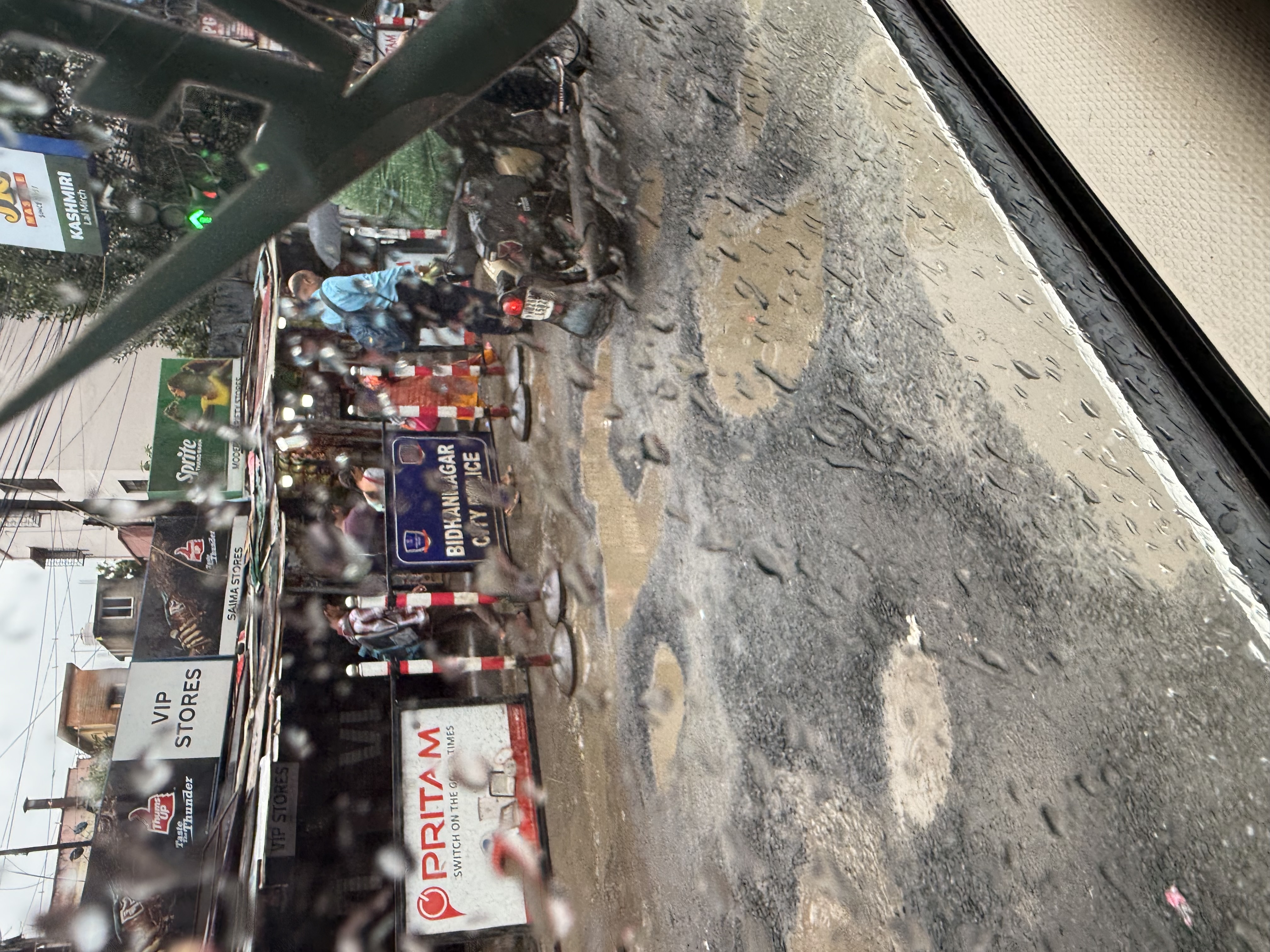
<p>On August 12, 2025, Pune Municipal Corporation Commissioner Naval Kishore Ram inaugurated an app called PMC Road Mitra. The pitch was simple: photograph a pothole, pin its location, and the complaint routes automatically to the junior engineer responsible for that zone, with a 72-hour repair target attached. It worked, in the narrowest sense — 43 to 47 complaints came in within the first day alone, depending on which official you ask.</p>
<p>Then, on March 11, 2026, the app went dark. Not slow, not buggy — inaccessible. It stayed that way for more than four months, through the start of monsoon, through the season when Pune's roads need reporting the most, until PMC quietly reactivated it around July 20, 2026.</p>
<p>The numbers that survived that gap are themselves a little hard to pin down. PMC's own figures put 2025's citywide pothole complaints at 5,931, with another 3,230 recorded through August 2026 — though it's not clear from the city's own reporting whether that second figure counts only app submissions or every channel combined. During the same stretch, PMC said a one-month repair drive had filled roughly 3,000 potholes across nearly 18 hectares of road surface, and that only 54 potholes remained citywide.</p>
<p>That last claim didn't survive contact with Navi Peth. In July 2026, a citizen group went out and counted roughly 25 potholes in a single 50-metre stretch — on its own, nearly half of PMC's entire "remaining" tally, from one street. By August, the Mayor had ordered the civic administration to produce a report within eight days covering every road work carried out over the previous two years.</p>
<p>So that's the app: a loud launch, a four-month blackout at the worst possible time of year, disputed numbers, and a mayoral audit demand. Against that backdrop, what PMC did next is worth sitting with for a second.</p>
<h2>What the city quietly reached for instead</h2>
<p>On October 29, 2026, Pune Municipal Corporation signed a one-year memorandum of understanding with Ather Energy — the electric scooter maker, not a civic contractor. Under the deal, Ather shares data from its "Pothole+ Alerts" feature, which rolled out to its Gen 2 and newer scooters (the 450 Apex, 450X, and Rizta Z) in late July 2026. The feature works by comparing telemetry from multiple scooters passing the same spot; once enough riders' sensors flag the same disturbance, the hazard gets verified and logged into Ather's own live road-quality map. With more than 24,000 Ather scooters already on Pune's roads every day, that's a fairly dense, constantly-refreshing sensor network — one the company built for its own riders' comfort and safety, not for the municipal corporation.</p>
<p>Officially, PMC is careful about how this is framed: Ather's data is described as a supplement to the corporation's existing inspections and on-ground assessments, not a replacement for them. That's almost certainly the legally and politically correct way to describe it. But set the framing next to the timeline — a flagship citizen-reporting app that sat offline for a third of 2026, followed within three months of its patchy relaunch by a formal deal to lean on a private company's scooter fleet for the same information — and the "supplement" reads less like an addition and more like an admission that the first system, on its own, wasn't generating reliable enough data to act on.</p>
<p>There's a neat irony in exactly whose data is filling the gap. Ather built Pothole+ Alerts to warn its own riders about hazards in real time — a safety feature for people on two wheels with no suspension to speak of between them and the road. PMC didn't build anything new to get that intelligence; it just signed a year-long agreement to read someone else's exhaust.</p>
<h2>The same pothole, four times over</h2>
<p>None of this changes what a pothole actually costs a city, or who pays for it. A single bad patch on, say, Navi Peth's streets doesn't care who hits it — the suspension damage, the wheel alignment, the occasional tyre, is the same whether one person is driving alone or four people are sharing that same car. The difference is purely arithmetic: four separate single-occupant cars making the same commute hit that pothole four separate times, generating four sets of wear-and-tear bills for a city that, by its own Mayor's admission, still isn't entirely sure how many of these it has fixed.</p>
<p>There's a second parallel worth drawing, too. What made Ather's offer attractive to PMC in the first place wasn't goodwill — it was scale. Thousands of vehicles already moving through the city, generating location-tagged data about road conditions as a free byproduct of people just getting where they're going. That's the same basic logic behind any shared-ride platform: the trip was happening anyway; what you get alongside it — lower cost per seat, fewer cars repeating the same route, in Ather's case an incidental map of every bad stretch of tarmac — is what the aggregation buys you for free. Pune's civic body just discovered that logic applies to potholes, too.</p>
Ready to try GoVia?
Share rides, join bike pools, and send parcels with trusted travelers near you.
Download the GoVia app