Pune's ₹7,180 Crore Expressway Fix Opened in May. It's Already Sent Traffic Back to the Old Road Twice.
For thirty years, the worst ten minutes of the Mumbai-Pune Expressway were always the same ten minutes: the Khandala ghat section, where the original six-lane road narrowed, curved, and climbed through hill terrain that never really wanted a six-lane highway running through it in the first place. Landslides, truck breakdowns on the grade, and bumper-to-bumper weekend traffic turned a 94km expressway built to save time into a corridor where you budgeted an extra hour "just in case," every single time.
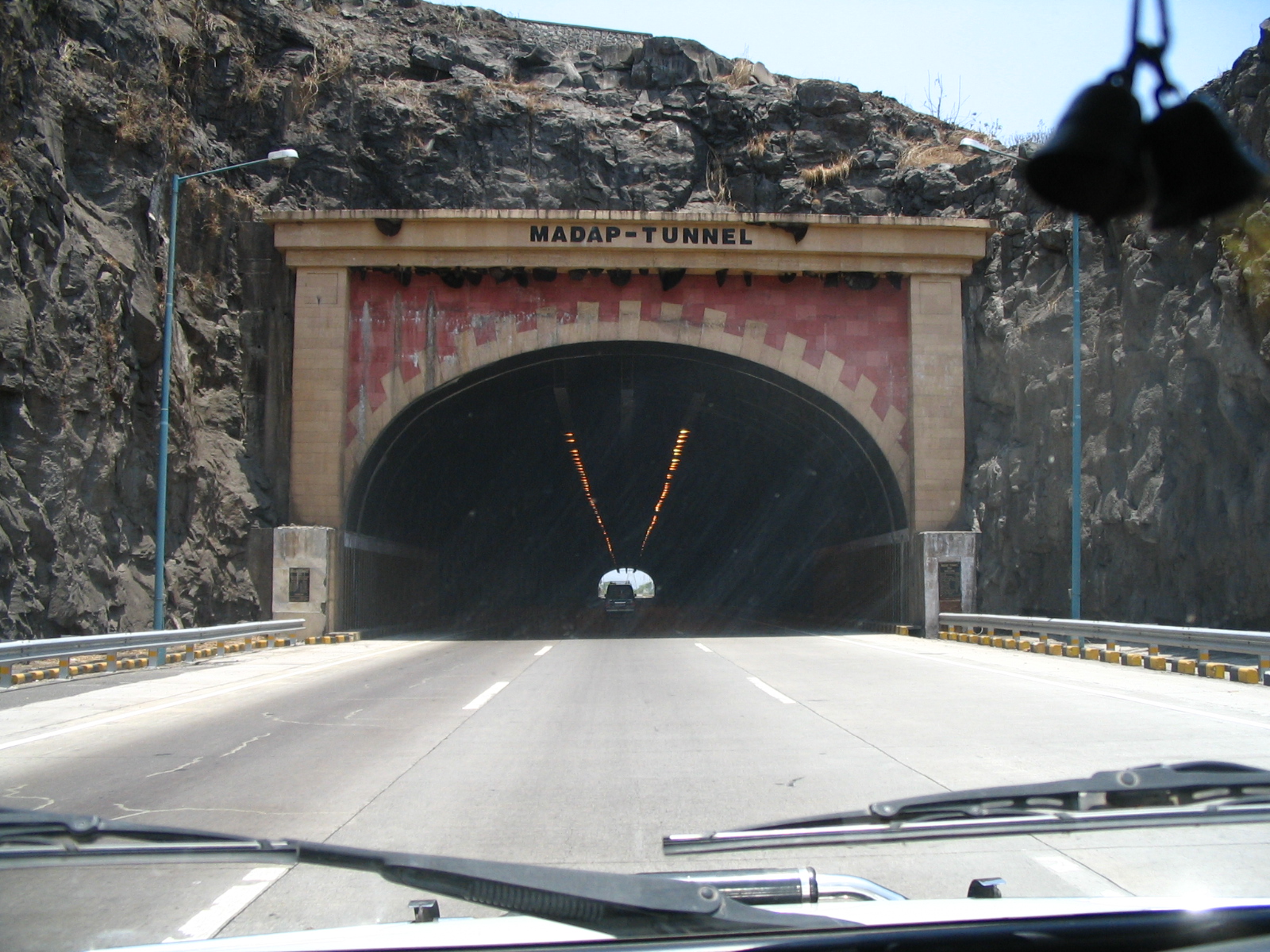
On May 1, 2026, that changed — on paper. The Maharashtra State Road Development Corporation opened the "Missing Link," a 13.3km, eight-lane, access-controlled bypass built specifically to route around the ghat section entirely, using twin tunnels bored through the hills and a cable-stayed bridge spanning the valley between them. Chief Minister Devendra Fadnavis inaugurated it himself. The engineering is genuinely not small: contractors AFCONS and Navayuga reportedly set world records during construction, and the final bill — after a ₹485 crore cost escalation — came in around ₹7,180 crore, more than ₹2,380 crore over the project's original 2015-16 sanction. For a road that had been promised, delayed, and promised again for most of a decade, it was a real "it's actually done" moment.
It lasted a little over two months.
On July 6, 2026 — barely nine weeks after the ribbon-cutting — heavy overnight rain triggered a landslide near the exit of Tunnel 2. The Mumbai-bound carriageway of the brand-new Missing Link had to be shut entirely. Not for an hour. Not for an afternoon. For more than eighteen hours, with commuters rerouted back onto the old Lonavala ghat road — the exact route the ₹7,180 crore project existed to make unnecessary. Two lanes reopened around 10:10pm that night, debris cleared, traffic restored. The irony practically wrote its own headline at the time: the fix for the ghat section had just sent everyone back to the ghat section.
Five weeks after that, on August 12, MSRDC scheduled its own closure — this one deliberate, not weather-driven. A three-hour window, noon to 3pm, for maintenance work and mock safety drills on the Pune-Mumbai carriageway. Mumbai-bound vehicles were, once again, diverted onto the old ghat route for the duration. This wasn't an emergency. It was the project's own operator choosing to send traffic back to the road it had just replaced, for routine upkeep, less than four months after opening.
To be fair to the Missing Link: a brand-new tunnel-and-bridge system needing a mock drill and a maintenance window in its first season isn't itself damning — new infrastructure gets tested, and any serious operator would rather run a drill in August than discover a gap during an actual emergency later. The landslide is a harder one to wave away, but it also isn't entirely MSRDC's fault either; the whole reason a tunnel-and-bridge bypass was engineered in the first place is that this terrain has never cooperated with roads cut through it, new or old. What's fair to say, without exaggerating it into something it isn't, is this: a ₹7,180 crore flagship fix for "the road keeps getting cut off by this one stretch of hill" needed the old, bypassed stretch of hill to bail it out twice in its first hundred days. Nothing confirms a third closure since August — which is itself worth saying plainly rather than implying a pattern that hasn't actually recurred. But two closures in two months is still two more than a brand-new flagship project should ideally need, and both pushed the same traffic back onto the same ghat road the Missing Link was built, at great expense, to avoid.
Here's where that becomes a very ordinary, very personal problem instead of just an engineering footnote: when the Missing Link shuts — for a landslide, for a drill, for whatever comes next — nobody gets a heads-up tailored to them. You find out when you're already on the expressway, already committed, already watching brake lights stack up ahead. At that point every solo driver on that stretch is independently discovering the same diversion, independently deciding whether to take the old ghat road or wait it out, independently burning the extra forty minutes (or more, if it's a landslide) alone.
None of that gets fixed by the road. It gets absorbed differently when you're not the only person in the car making that decision. A shared ride on this corridor means one reroute decision instead of four, one person checking live traffic instead of four people each pulling up Maps mid-jam, and the cost of an unpredictable closure — in time, in fuel, in frustration — spread across people who are already traveling together instead of landing on each one of them separately. The Missing Link may well settle down into the reliable, decade-overdue fix it was built to be. Until it visibly does, the smartest hedge isn't avoiding the expressway. It's not being the only person in the car when it decides to test that theory again.
Ready to try GoVia?
Share rides, join bike pools, and send parcels with trusted travelers near you.
Download the GoVia app