Maharashtra Spent a Year Writing Carpooling's Rulebook. It's Still Not Done Editing It.
On October 29, 2026, Maharashtra's Chief Minister sat down at his official Mumbai residence for a meeting that, on paper, looked like routine policy upkeep. What came out of it wasn't routine at all: Devendra Fadnavis ordered the transport department to build an AI-driven platform that tracks, in real time, which aggregator driver is behind the wheel of which vehicle, whether that driver's license and police verification are in order, and - the part that actually made drivers sit up - whether the ride-allocation algorithms deciding who gets the airport run and who gets nothing are quietly favouring big fleet operators over independent drivers. Transport Minister Pratap Sarnaik has said the rules will be amended to spell out, for the first time, exactly what role an algorithm is allowed to play in deciding who gets a ride.
That meeting wasn't called to discuss carpooling. It was called to talk about the Maharashtra Motor Vehicle Aggregator Rules, 2026 - the same rulebook, notified back on July 15, that quietly did something carpooling platforms in this state had been waiting a year and a half for: it actually wrote down what "legal carpooling" means, instead of just saying it's allowed.
Here's what that rulebook says, in the parts that matter if you've ever wondered whether sharing a ride with a stranger through an app is something Maharashtra tolerates or something it has actually legislated. The Rules define something called a "Carpooling Intermediary Platform" - a specific, named category for the digital interface that connects a driver with a planned trip to a rider heading the same way. A driver lists a trip in advance, a platform matches it, and critically, the whole arrangement has to stay non-commercial: private vehicle owners can split the actual cost of a trip, but the moment that starts looking like a for-profit taxi service running through a loophole, it stops being carpooling under these Rules and starts being something the ₹1 crore penalty clause exists for. That cap - up to one crore rupees, plus suspension or outright cancellation of a platform's license - isn't a figure the state attached specifically to carpooling violations alone, but it's the ceiling every registered aggregator, carpooling platforms included, now operates under.
The rollout had its own deadline pressure, the kind this blog has learned not to take at face value until someone actually confirms it happened. Platforms were told to complete registration by September 1, 2026, to lock in a three-year license, with Sarnaik warning that anyone still unregistered after that date would face "stringent legal action." A follow-up report from September 10 said the state had separately given firms three more months just to submit complete driver details - which, counted forward, lands somewhere around early December. Nobody has published confirmation that this deadline landed on schedule, or that every platform actually submitted what was asked. For now, that's simply where the paper trail runs out.
What the October 29 meeting actually tells you, underneath the AI-monitoring headline, is that more than three months after notification, Maharashtra is still actively rewriting its own aggregator rulebook - adding provisions for how algorithms are allowed to allocate rides, tightening what gets tracked about every driver and vehicle on the road. The carpooling provisions written in July haven't been reopened in anything reported since. But they're sitting inside a document the state has now shown, more than once, it's willing to keep editing.
For a carpooling platform, that's oddly reassuring. "Still being refined" is a different, better problem than "still just a cabinet promise nobody wrote down" - which is exactly where Maharashtra's carpooling rules sat for the thirteen months between the original April 2025 cabinet approval and this July's actual notification. There's now a real definition, a real penalty structure, and a real registration process standing behind every ride a GoVia user shares to split a fuel cost - not a verbal assurance from a press release that happened to use the word "legal."
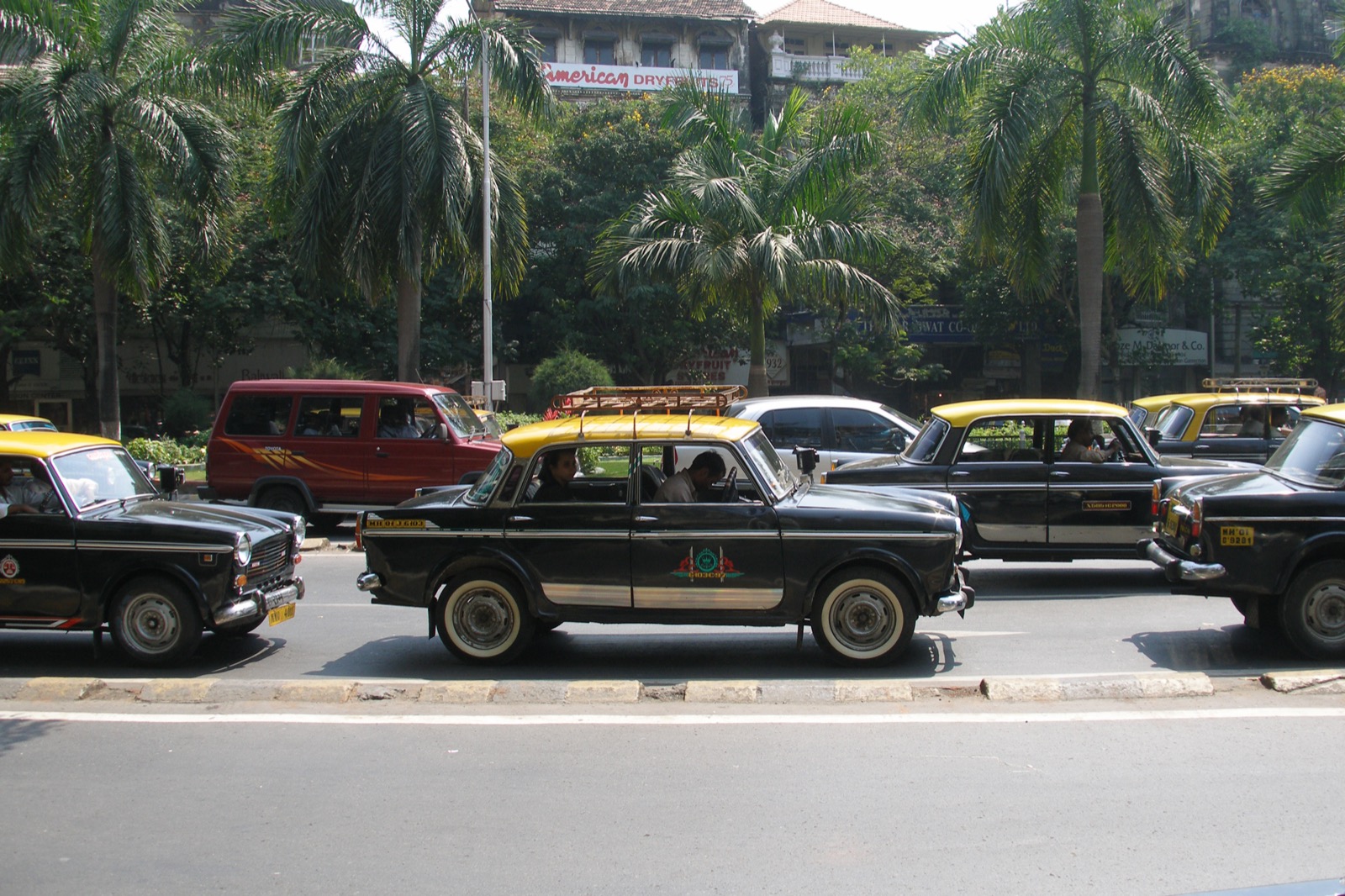
Cover image: Vyacheslav Argenberg, via Wikimedia Commons, CC BY 4.0.
Ready to try GoVia?
Share rides, join bike pools, and send parcels with trusted travelers near you.
Download the GoVia app