Maharashtra Approved Bikepooling 19 Months Ago. Its Own Website Still Shows the Order That Banned It.
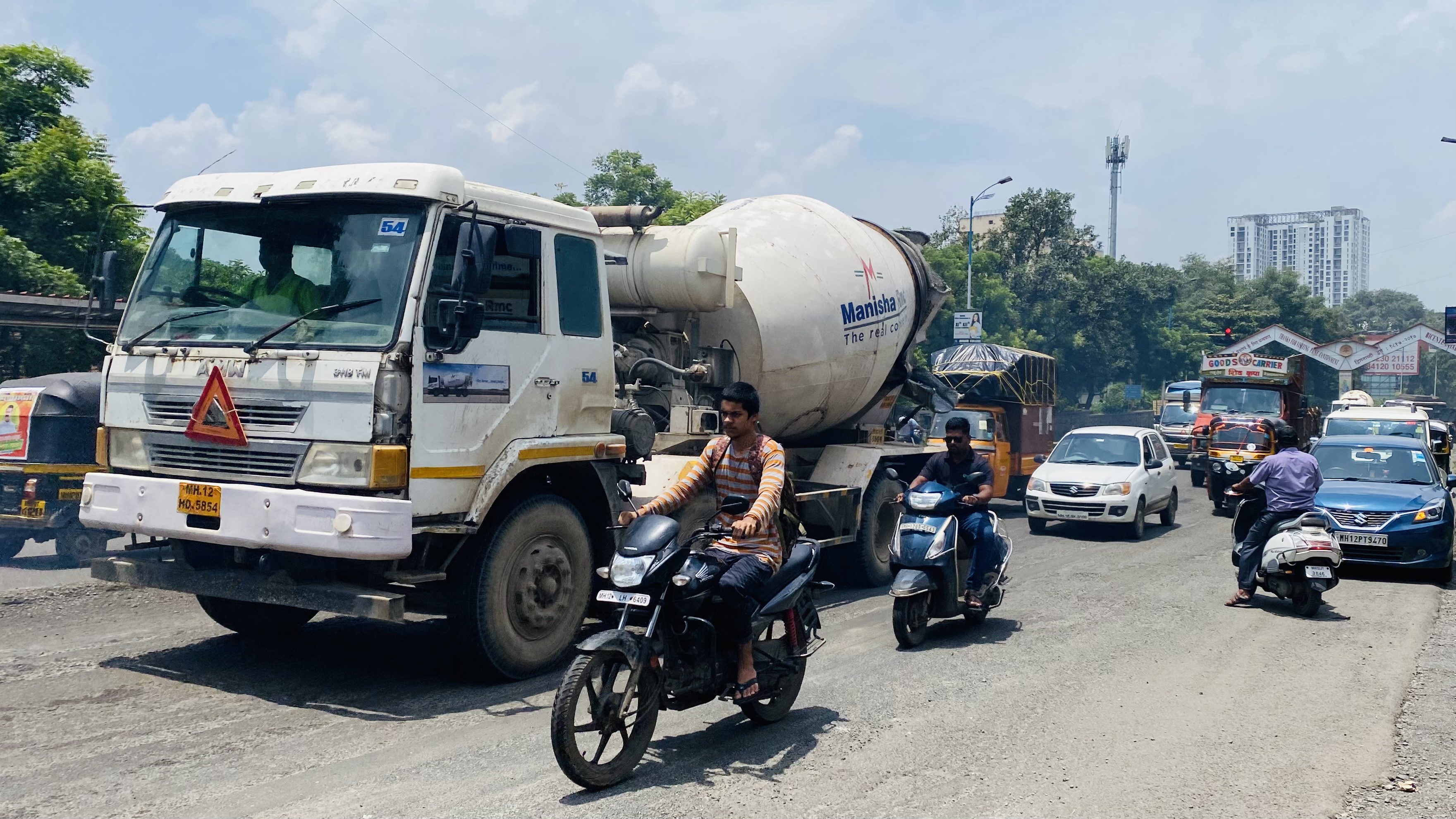
On 1 April 2025, the Maharashtra cabinet approved bikepooling in principle, alongside e-bike taxis, with officials framing it as a direct response to the state's congestion and pollution numbers. A transport official told reporters only e-bikes - not petrol two-wheelers - would be eligible, and Transport Commissioner Vivek Bhimanwar said anyone registering for it on an aggregator platform would need police verification of the vehicle owner first. The one condition everyone repeated at the time: detailed rules would be notified before the service could actually go live.
Nineteen months is long enough to check whether that happened. Go looking for Maharashtra's official word on "ride pooling" and the transport department's own site hands you a PDF titled, plainly, Ride Pooling Gov Notification. Open it, and the date on it is 19 January 2023 - two years before the cabinet's approval, not two years after. The notification number is MVR-0821/C.R.95/TR-2, signed by R.M. Holkar, Joint Secretary. It does not legalise bikepooling. It bans it.
The text is unambiguous. Citing the central government's 2020 Motor Vehicle Aggregator Guidelines and "serious practical and security concerns," it states that the Government of Maharashtra "hereby prohibits the use of non-transport vehicles (including two wheelers, three wheelers and four wheelers) for the purposes of aggregation and ride-pooling thereof." Two wheelers, named specifically. The reasoning given isn't only safety - the order also worries that non-transport vehicles registered outside Maharashtra could undercut the "economic viability" of vehicles already running on valid permits inside the state. That's the document still sitting at the top of the department's own ride-pooling page.
In the time since the cabinet's 2025 approval, two things actually did get formal rulebooks. Bike-taxis got the Maharashtra Bike-Taxi Rules, 2025, gazetted that July, with licensing requirements for Ola, Uber and Rapido and a 60 km/h speed-limit condition in the draft. Cars got the Motor Vehicle Aggregator Rules, 2026, notified 15 July 2026, which explicitly sets out a ride-pooling and carpooling framework - a defined "Carpooling Intermediary Platform," a female-passenger option to ride only with women drivers or co-passengers, penalties up to a crore for violations. Both are real, both are dated, both are live.
Neither one is bikepooling. The 2026 rules cover every aggregator vehicle except bikes, carving them out to the Bike-Taxi Rules instead - and the Bike-Taxi Rules regulate a paid commercial service, not two strangers splitting fuel cost on a non-commercial ride. Cars got pooled. Bikes got taxis. The one thing that was actually promised nineteen months ago - a two-wheeler owner legally sharing a ride for cost, not fare - still has no rulebook of its own, and the department's most prominent page on the subject is the one that outlawed it.
It's worth saying plainly: this isn't necessarily dead. A committee was constituted back in 2023 specifically to study non-transport vehicle pooling and recommend a framework, which is presumably where this has been sitting. But "under study" and "approved" are different words for the same wait, and the gap between them is exactly where bikepooling - cheaper to run than a car, lighter on fuel than a bike-taxi, and arguably the most natural fit for Pune's own daily grind of two-wheeler commuters - keeps landing. Carpooling, meanwhile, is live, legal, and growing under rules that took effect this year. A shared car ride today doesn't have to wait for the paperwork a shared bike ride still is.
Cover image: Ganesh Dhamodkar, via Wikimedia Commons, CC BY 4.0.
Ready to try GoVia?
Share rides, join bike pools, and send parcels with trusted travelers near you.
Download the GoVia app